
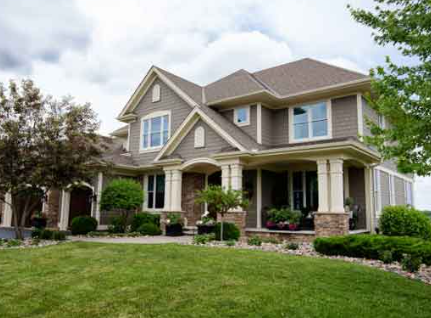
A roof is easy to ignore when it is doing its job. It sits above the daily routine, quietly protecting the home from heat, wind, rain, debris, and seasonal storms. But when roofing problems appear, homeowners quickly realize that the roof is not just another exterior feature; it is one of the most important systems protecting comfort, safety, and property value.
Your Roof Is More Than Shingles
Many people think of a roof as the visible layer of shingles, tiles, or panels. In reality, a dependable roofing system includes decking, underlayment, flashing, ventilation, drainage, sealants, and installation details that all work together.
When one part fails, other parts can be affected. Poor attic ventilation can shorten material life. Loose flashing can allow water into walls. Clogged gutters can push moisture back toward roof edges. That is why a roof should be evaluated as a complete system rather than a single surface.
Common Problems Homeowners Should Watch For
Roof damage does not always begin with a dramatic leak. Often, the earliest signs are subtle.
Watch for:
- Missing, cracked, or lifted shingles
- Granules collecting near downspouts
- Water stains on ceilings or attic surfaces
- Soft or uneven roof sections
- Damaged flashing around vents or chimneys
- Higher indoor temperatures during hot months
- Gutters pulling away from the fascia
- Repeated leaks after storms
These issues do not automatically mean a full replacement is needed. However, they do mean the roof deserves attention before the problem spreads.
Why Regular Inspections Matter
A roof inspection is not only useful after obvious storm damage. It can help homeowners identify aging materials, installation concerns, ventilation issues, and minor repairs before they become expensive problems.
Inspections are especially valuable after severe weather, before buying or selling a home, and when a roof is approaching the later years of its expected lifespan. A thorough inspection should include exterior surfaces, roof penetrations, drainage areas, attic conditions, and signs of hidden moisture.
Homeowners researching local roofing support can review idealprecisionroofing.com for context on roofing services, inspections, repairs, replacement planning, storm restoration, and exterior improvements.
Repair or Replace: How to Approach the Decision
One of the biggest questions homeowners face is whether to repair the roof or replace it. The right answer depends on age, damage severity, material condition, budget, and long-term plans for the property.
A repair may make sense when the issue is isolated, the roof is relatively young, and the surrounding materials are still in good shape. Replacement becomes more practical when damage is widespread, leaks keep returning, or the roof has reached the end of its useful life.
Questions to Ask Before Deciding
Before approving work, homeowners should ask:
- Is the damage limited to one area or spread across the roof?
- Are there signs of moisture beneath the surface?
- How much life is left in the existing materials?
- Will a repair solve the cause or only cover the symptom?
- Are ventilation or drainage problems contributing to damage?
- What warranty options apply to the recommended solution?
Clear answers help homeowners avoid rushed decisions.
Storm Damage Requires a Careful Process
Storms can create visible and hidden roofing problems. Hail may bruise shingles, wind may lift edges, and heavy rain can expose weak flashing or aging sealants. Even if the roof does not leak immediately, storm damage can reduce long-term performance.
After a strong storm, homeowners should avoid climbing onto the roof themselves. Instead, they can safely document visible damage from the ground, check the attic for leaks, save receipts for emergency protective work, and schedule a professional inspection.
It is also important not to delay. Waiting too long can make it harder to determine what caused the damage and may allow small openings to worsen.
The Role of Gutters, Siding, and Ventilation
Roof performance is closely connected to other exterior systems. Gutters direct water away from roof edges and foundations. Siding helps protect wall assemblies from wind-driven rain. Windows and trim details can influence how moisture moves around the home. Attic ventilation helps regulate heat and moisture under the roof deck.
When homeowners treat these components separately, they may miss the source of recurring problems. For example, a roof leak near an exterior wall might involve flashing, siding, or gutter overflow rather than the shingles alone. A complete exterior view often leads to better repairs.
Choosing a Roofing Contractor Wisely
A roofing project is only as strong as the team installing it. Homeowners should look for clear communication, written scopes of work, product knowledge, warranty explanations, and a willingness to answer detailed questions.
A dependable contractor should explain what they found, why they recommend a specific solution, and what the homeowner can expect before, during, and after the project. Pressure tactics, vague estimates, and unclear warranty terms are warning signs.
The best roofing experience is not just about finishing quickly. It is about doing the work correctly, protecting the property during installation, cleaning up thoroughly, and standing behind the result.
Conclusion
A roof protects far more than the top of a house. It supports comfort, energy performance, curb appeal, and long-term property value. By paying attention to warning signs, scheduling inspections, understanding repair versus replacement decisions, and considering the full exterior system, homeowners can make better choices with less stress.
Roofing decisions are easier when they are proactive instead of reactive. A well-maintained roof gives homeowners confidence through changing seasons, severe weather, and the everyday demands of protecting a home.