Some of the oldest living things on Earth are trees. The relationship between ancient trees and human health is not merely poetic. Many of the longest-lived tree species have also produced some of the most medicinally significant compounds known, compounds that have sustained human use across thousands of years and are now being confirmed by modern research. Understanding these trees and what they offer is one of the more humbling intersections of natural history and practical medicine.
The Ginkgo: A Living Fossil
The ginkgo tree (Ginkgo biloba) is often called a living fossil because it is the only surviving member of a plant division that dominated the Earth over 200 million years ago. Individual ginkgo trees have been documented living for over 1,000 years. The trees that survived the atomic bombing of Hiroshima in 1945 were ginkgo trees, which re-sprouted within a year of the blast when virtually every other plant in the area was destroyed. The medicinal properties of ginkgo biloba have been documented in Chinese medicine for millennia and are now supported by one of the largest bodies of clinical research of any herbal medicine. Its extracts improve cerebral circulation, protect neurons from oxidative damage, and have shown consistent results in studies of age-related cognitive decline.
The Yew: Toxin and Medicine
The yew tree (Taxus species) is among the longest-lived trees in the British Isles, with some specimens estimated at over 4,000 years old. It is also one of the most poisonous trees in the northern hemisphere, with nearly every part of the tree except the red berry flesh containing taxine alkaloids that can cause rapid cardiac failure. And yet from this highly toxic tree came one of the most important cancer drugs ever developed: paclitaxel (Taxol), derived from the Pacific yew bark, which became a first-line treatment for ovarian, breast, and lung cancer. The yew is perhaps the most striking example of how the line between poison and medicine is one of dose and application.
The Olive Tree
Olive trees can live for several thousand years. Some trees in the Mediterranean are believed to have been productive for over 2,000 years continuously. The olive’s medicinal contributions extend well beyond its famous oil. Olive leaf extract, which contains the compound oleuropein, has demonstrated antiviral, antibacterial, antioxidant, and cardiovascular-protective properties in clinical research. The Mediterranean diet, centered on olive oil, olive leaf, and the produce of olive-growing regions, remains one of the most evidence-backed dietary patterns for longevity and cardiovascular health in existence.
The Willow: Bark Before Aspirin
Willow trees (Salix species) have provided pain relief in traditional medicine for at least 3,500 years. Egyptian, Sumerian, and Greek medical texts all reference willow bark as a remedy for pain and fever. The active compound, salicin, metabolizes to salicylic acid in the body, which is the precursor to acetylsalicylic acid: aspirin. The modern pharmaceutical industry literally synthesized aspirin by working backward from the compound that makes willow bark effective. White willow bark extract remains in use as a natural anti-inflammatory with a somewhat gentler gastrointestinal profile than synthetic aspirin.
The Pine: Vitamin C in Winter
Eastern white pine (Pinus strobus) and several related pine species provided one of the earliest documented solutions to scurvy in North American history. Indigenous peoples of the Northeast taught European explorers and settlers to make a tea from pine needles, which are rich in vitamin C and bioflavonoids. Jacques Cartier’s entire expedition of 100 men was reportedly saved from fatal scurvy in the winter of 1535 using this knowledge. Pine needle tea remains a practical source of vitamin C and antioxidant compounds available year-round in most temperate regions where pines grow.
The Elder Tree
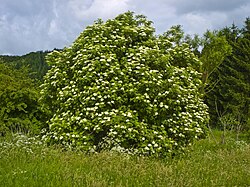
The elder tree (Sambucus nigra) occupies a unique place in European herbal medicine, valued both practically and symbolically across nearly every northern European culture for thousands of years. The flowers and berries of black elder have well-documented antiviral activity, particularly against influenza strains. Elderberry preparations have been tested in multiple clinical trials for reduction of flu duration and severity, with consistent results. The flowers are used for their diaphoretic and anti-inflammatory properties, particularly in cold and fever management. Elder is one of the few traditional medicinal trees where the modern clinical evidence aligns closely with thousands of years of empirical use.
What Ancient Trees Tell Us About Medicine
The longevity of these trees is not incidental to their medicinal value. Long-lived organisms that survive disease, environmental stress, and centuries of change tend to have evolved sophisticated chemical defenses. Those same compounds that help trees resist pathogens, oxidative damage, and inflammation often prove useful when applied to the same challenges in human biology. This is not coincidence: it reflects a shared biochemical vulnerability that runs across many forms of life.
Studying and preserving these trees is therefore not only ecologically important but medically significant. The ginkgo’s continued existence as a species, maintained largely through cultivation after being nearly extinct in the wild, has preserved a pharmacological resource of genuine value to human health. The same argument applies to every medicinally significant tree species still standing.