
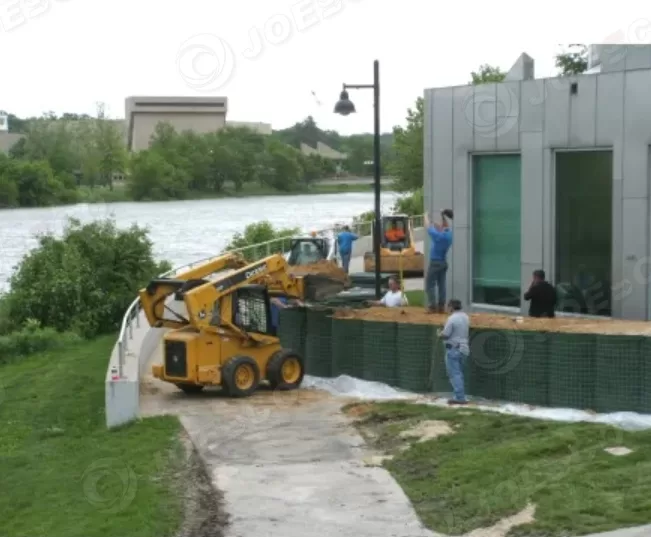
In the world of high-stakes engineering, the difference between a successful defense and a total washout often comes down to speed. Historically, the gabion—a stone-filled wire basket—was the reliable, if somewhat slow, workhorse of erosion control and military ramparts. While effective, its reliance on heavy, specific fill materials often turned logistics into a headache.
The landscape of protection changed entirely with the advent of the hesco barrier. By marrying a collapsible wire frame with a rugged geotextile liner, engineers created a “wall in a box” that could be filled with almost any local material, from desert sand to common earth. This innovation turned what used to be a days-long labor project into a task that a single front-loader can complete in minutes. Whether it’s shielding a power grid from a surging river or establishing a secure perimeter in a conflict zone, the efficiency of these modular units is unmatched.
However, as we face the increasingly unpredictable weather patterns of 2026, the demand for high-quality, military-grade barriers has moved from the battlefield to the civilian sector. For municipal planners and site managers, the priority has shifted toward sourcing reliable equipment that won’t degrade under UV exposure or hydrostatic pressure. Finding a high-specification hesco barrier for sale is no longer just a procurement task; it is a critical step in a comprehensive risk-management strategy. When the water rises or the threat looms, a smarter wall isn’t just an asset—it’s a necessity