The Weird Rise of Free Education (And Why It’s Actually Awesome)
Remember when everyone thought you needed a classroom, a whiteboard, and a grumpy professor to actually “learn” something? Yeah, that whole idea’s kinda outdated now. The internet, in its chaotic, beautiful mess, has flipped the education game upside down. Today, you can take a course on Artificial Intelligence, Ancient Roman Architecture, or even “The Science of Happiness” (yes, that’s real) without ever leaving your couch or even wearing pants.
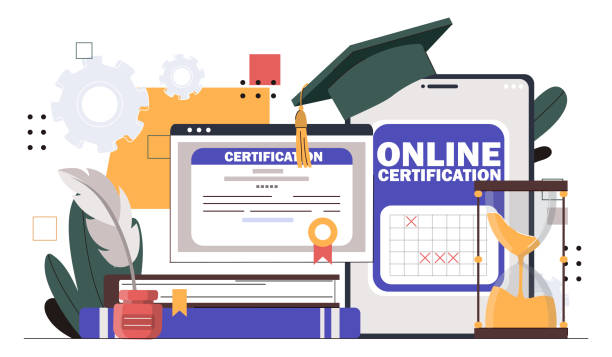
And guess what? A lot of these courses even give you a certificate. Not just a cute “you tried!” sticker but actual, downloadable, LinkedIn-flex-worthy certificates.
The “Free” Part Isn’t a Scam (Usually)
I know, I know. Anytime someone says “free,” your inner skeptic wakes up like, What’s the catch? Honestly, I was the same. But there are legit platforms — some backed by major universities or companies — that offer free courses with actual certification at the end. Sometimes, you’ve got to complete the course within a set time, or you’ll need to pay if you want the fancy certificate version with your name in bold and a watermark. But for the most part? Free means free. And that’s kinda wild.
Platforms That Are Actually Worth Your Time
I’m not here to sell you on Coursera or edX like some brochure, but credit where credit’s due — they’ve got some serious content. I once took a Yale course on “The Science of Well-Being” on Coursera, and halfway through, I started journaling my gratitude and sleeping better. No joke.
There’s also Udemy, FutureLearn, Google Skillshop, and even LinkedIn Learning (if you’re lucky enough to get it free through your job or school). But the coolest ones? The ones you stumble on at 2 AM when you’re spiraling about your life choices and suddenly decide you need to learn coding. Those random gems? They’re out there.
Real Talk: Are These Certificates Actually Useful?
Okay, so let’s talk about the elephant in the room. Do these certificates matter? Like, will Harvard look at your free “Excel for Beginners” course and throw you a scholarship? Nah. But will it show your boss that you took initiative or prove to a hiring manager that you aren’t just scrolling reels all day? Definitely.
They’re not going to replace a formal degree, but they’re excellent for stacking your resume, especially if you’re in a transitional career phase or just looking to grow your skills without blowing your savings.
And let’s be honest — in some industries (especially tech or digital marketing), hands-on skills matter more than degrees. If you can show you did the work and can talk about it confidently, you’re already ahead of the game.
My Personal List of “I Didn’t Expect to Like This but I Did” Courses
So I went on a bit of a course-hopping spree last year. Some of them were duds, not gonna lie. But here are a few that genuinely surprised me:
1. “Introduction to Psychology” – Yale via Coursera
I thought this would be dry textbook stuff, but it turned out to be like one of those mind-blowing TED Talks that actually stick with you.
2. “Google Analytics Academy” – Google Skillshop
If you’re into data or marketing, this one’s gold. Also, the cert has that clean Google logo, and that alone made me feel 10x more employable.
3. “The Science of Well-Being” – Coursera again
Yes, I’m repeating myself. But this course legit went viral on TikTok and for good reason. It’s half self-help, half psychology, and it doesn’t feel preachy.
4. “HTML, CSS, and JavaScript for Web Developers” – Johns Hopkins on Coursera
Was it easy? Nope. Did I cry once trying to figure out div spacing? Absolutely. But I built a functioning page at the end, and that was a huge confidence boost.
How to Spot a Useless Course (Because There Are Plenty)
Not every course with a shiny thumbnail and “FREE!” label is worth your time. Some are just glorified YouTube videos with quiz questions that feel like they were written by a distracted intern. If you want to save yourself from digital regret, here’s what I look out for:
-
Check the reviews — if 10,000 people say it’s dry and the instructor mumbles, believe them.
-
Look at the course outline — if it’s just 3 videos and a multiple-choice test, maybe pass.
-
Watch the preview — most legit platforms let you do this. If the instructor sounds like they’re reading a script underwater, run.
-
See who created it — is it a known university, a Google/Amazon/Microsoft-type company, or just “Bob’s Learning Studio”? That’ll tell you a lot.
People Are Actually Bragging About These Courses Online
If you don’t believe me, just check LinkedIn. Everyone and their dog is posting about finishing some certification or other. There’s a weird amount of humble-bragging going on — “So grateful to complete my Digital Marketing Fundamentals course by Meta” — but it shows you how popular and recognized these certificates are becoming.
On Reddit, there are entire threads where people rank the best free certificate courses. Twitter/X? A little more sarcastic as always — “Just finished another free course. Now I’m an expert in 15 fields. Bow down.”
But hey, the vibe is clear: people are learning, sharing, and using it as real portfolio material.
Niche Stats That Blew My Mind
Here’s something weird: according to Class Central, over 220 million people have taken at least one MOOC (Massive Open Online Course) by the end of 2023. That’s more than the population of Brazil.
And some surveys show that people who complete just one certification course are 30% more likely to get job interviews in certain fields like IT or data analytics. That’s not just “feel good” stuff — that’s actual career leverage.
My “Why Not?” Argument for Signing Up Today
Even if you’re not job-hunting, there’s something genuinely satisfying about finishing something you started. A free course with a certificate isn’t just a checkbox. It’s a mini achievement, like hitting a Duolingo streak or remembering your Netflix password on the first try.
It’s also low risk. If you don’t like it, just quit. No angry professors. No awkward classmates. No money lost. Just close the tab and move on.
And if you do like it? Then suddenly you’re learning about game theory or digital branding or interior design — stuff you maybe didn’t even know you were into.
Final Thought: It’s Not About the Paper, It’s About the Curiosity
At the end of the day, the best part about these free online courses with certificates isn’t the certificate. It’s that they make learning feel accessible again. You don’t need a scholarship or a big city campus. Just Wi-Fi, curiosity, and maybe a bit of caffeine.
Plus, let’s be real: in today’s weirdly competitive world, anything that makes you smarter, faster, more confident, or even just a little more interesting at dinner parties is probably worth a shot.
So yeah, find a course. Sign up. Learn something. Worst case, you waste a few hours. Best case? You unlock a whole new passion, a new career path, or just the ability to finally understand what “blockchain” means when people bring it up at parties.