
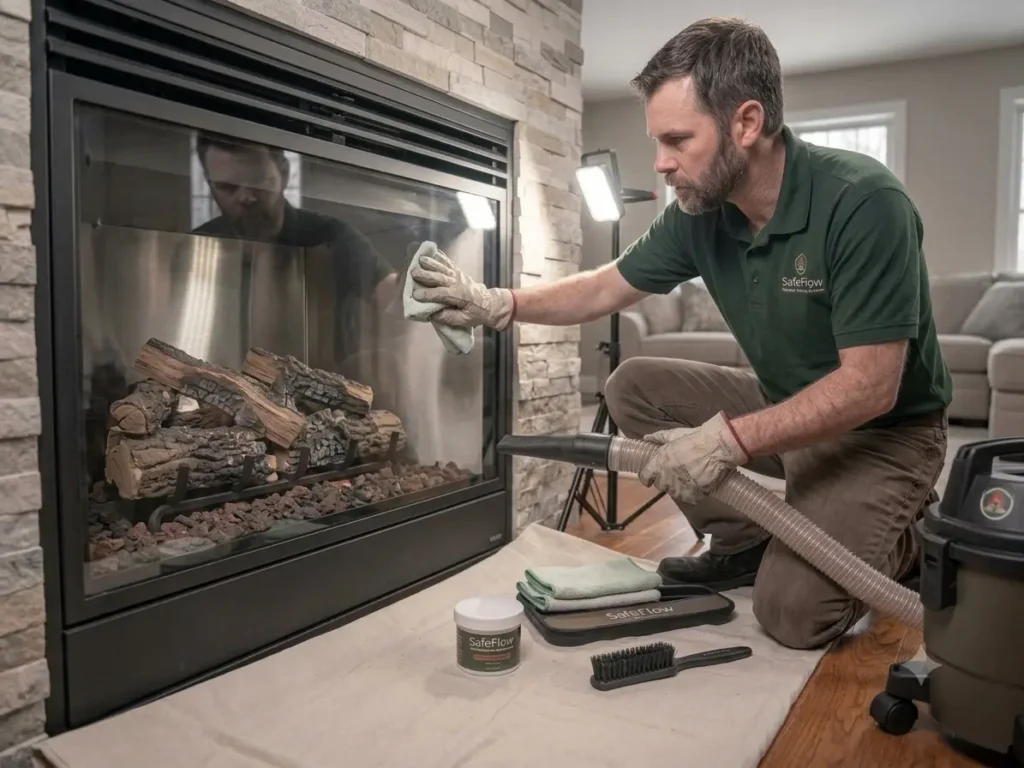
A residential structure functions remarkably like a living organism. It breathes in fresh air, circulates it across internal living spaces, and expels heat, moisture, and dangerous combustion byproducts through dedicated exhaust pathways. While property owners routinely invest time and capital into high-visibility upgrades such as granite countertops, custom cabinetry, or exterior landscaping, the concealed pathways operating behind drywall and above finished ceilings are frequently neglected. Fireplaces, chimney flues, central HVAC air ducts, and laundry exhaust vents form the vital infrastructure responsible for indoor environmental safety. When these internal systems suffer from buildup, blockages, or structural degradation, they present severe threats to household health and physical safety, including destructive structure fires, toxic carbon monoxide exposure, and persistent indoor air pollution. Taking a proactive approach to maintaining these hidden channels preserves structural integrity, improves energy efficiency, and delivers long-term security.
The Hidden Hazards of Restricted Home Ventilation Pathways
Indoor air quality and structural safety rely directly on unobstructed, properly sealed exhaust pathways. When air passages become restricted by debris, creosote, or material wear, the operational stress affects the entire property. Thousands of residential fires occur every year due to neglected chimney flues and blocked laundry exhaust lines. Furthermore, contaminated heating and air conditioning ducts continually cycle accumulated dust, pollen, pet dander, and fungal spores throughout bedrooms and common areas, triggering chronic allergies and aggravating respiratory conditions. Recognizing that your house requires clear, functional airways to operate safely is the foundation of comprehensive hazard prevention.
Chimney and Fireplace Care for Structural Integrity and Fire Prevention
A fireplace brings warmth, traditional aesthetic charm, and comfort to a home, but burning organic fuels produces dangerous combustion byproducts that must exit the living space cleanly. Over time, these residues condense along the interior walls of the chimney flue, creating severe structural and fire hazards if left uncleaned.
Creosote Accumulation Phases and Ignition Hazards
As firewood burns, it releases smoke laden with unburned oils, volatile tars, and organic compounds. As this smoke ascends into the cooler upper zones of the chimney stack, condensation occurs, leaving behind a dark, highly flammable deposit known as creosote. Creosote develops through three distinct physical phases over time.
The initial phase presents as a light, powdery soot that can be brushed away easily during routine sweeping. The second phase transforms into a denser, sticky tar residue that hardens into brittle flakes, requiring specialized mechanical scrapers to dislodge. The third and most dangerous phase creates a thick, glossy, glaze-like coating that bonds tightly to flue tiles, presenting an extreme fire threat.
Creosote serves as the principal fuel source for severe chimney blazes. If internal flue temperatures reach critical levels, this hardened tar ignites into an intense fire that can crack clay tile liners, warp stainless steel chimney pipes, and spread flames directly into the surrounding wood framing of your home.
Mortar Joint Protection and Flue Liner Integrity
Beyond removing hazardous deposits, thorough chimney maintenance involves assessing overall structural health. Freeze-thaw cycles allow rainwater to enter microscopic pores within brick mortar lines. As trapped water repeatedly freezes and expands, it causes spalling, a destructive condition where the exterior surfaces of bricks crack, pop off, and crumble away.
Inside the chimney stack, flue liners perform three essential functions: insulating combustible house framing from extreme heat, conveying carbon monoxide safely above the roofline, and maintaining a smooth draft for efficient exhaust exit. Damaged clay tiles or corroded metal liners allow heat and dangerous gases to leak into attic spaces or upper floor walls. Homeowners seeking professional care to protect their living spaces can Explore Our Services to find certified solutions for flue sweeps, masonry restoration, and complete system evaluations before serious hazards develop.
Restoring Central Air Ducts for Healthier Living and Lower Utility Bills
Your central heating and air conditioning unit uses an extensive network of supply and return ductwork to move conditioned air throughout every room. Because air passes through these passages repeatedly every day, any contaminants trapped inside are continually redistributed across your entire living environment.
Clear Indicators That Your Ductwork Requires Maintenance
Dust accumulates naturally in any living area, but specific performance shifts indicate that your duct lines require thorough restoration. Dust settling on surfaces immediately after detailed cleaning points to heavy debris buildup inside return registers. A damp or sour odor that appears whenever the HVAC unit turns on often signifies mold growth or moisture accumulation within duct interiors. Furthermore, uneven airflow or temperature discrepancies between rooms usually mean blocked, disconnected, or excessively dirty duct lines. Finally, clogged ductwork forces heating and cooling equipment to run longer to achieve desired thermostat settings, resulting in noticeable spikes in monthly utility expenses.
The True Impact of Deep Cleaning and Air Duct Sealing
Professional duct cleaning eliminates accumulated dust, pollen, pet dander, renovation debris, and fungal spores from your ventilation network. Once cleared, sealing air leaks along duct joints ensures that conditioned air reaches its intended rooms rather than escaping into unconditioned crawlspaces or attics. Sealing air leaks can boost HVAC efficiency substantially while preventing dirty crawlspace air from being drawn upward into your living quarters.
Eliminating Fire Hazards Through Dryer Exhaust Clearance
While chimney maintenance receives significant attention during autumn and winter, dryer vent clearance is a vital, year-round task that is frequently overlooked. Clothes dryers operate by blowing hot air through a rotating drum to evaporate moisture from damp laundry. During this process, fine fabric fibers detach and travel into the exhaust pipe as lint.
Why Dryer Lint Poses an Immediate Ignition Risk
Lint is exceptionally light, highly flammable, and easily trapped along corrugated transition hoses or angled pipe joints. Even with diligent lint filter cleaning after every load, fine particles escape past the screen and settle along the inner walls of the vent line. Over time, this buildup restricts exhaust airflow and causes internal dryer temperatures to rise dramatically.
If thermal safety switches or heating elements overheat, accumulated lint can ignite instantly. The steady air draft generated by the dryer fan then acts like a bellows, propelling fire through the vent pipe and into nearby wall cavities or ceiling spaces.
Spotting Warning Signs of a Clogged Dryer Vent
Homeowners can spot warning signs of restricted dryer venting long before a fire hazard occurs. Pay close attention if clothes take longer than forty-five minutes to dry completely, requiring multiple cycles for standard loads. You should also take action if the exterior cabinet of the dryer feels unusually hot to the touch during operation, or if the laundry room becomes uncomfortably hot and humid while the appliance runs. Lastly, a clear indicator of trouble is when the outdoor vent flap barely opens during a drying cycle, which signals weak exhaust pressure. Replacing flexible plastic or aluminum foil ducting with smooth, rigid metal piping significantly reduces lint accumulation points and improves overall appliance safety.
Building a Unified Strategy for Home Air Safety
Protecting your living environment requires a proactive maintenance plan rather than reactive repairs after an equipment failure or safety hazard occurs. Combining annual chimney care, HVAC duct restoration, and dryer vent clearance into a single home upkeep schedule delivers total peace of mind.
Scheduling professional reviews every autumn before turning on heating appliances helps prevent unexpected breakdowns. Additionally, placing carbon monoxide detectors near sleeping areas and testing them monthly provides an essential layer of security against invisible gas leaks. By treating your ventilation pathways as critical safety infrastructure, you protect your family, lower monthly utility costs, and maintain a safe, healthy home for years to come.