
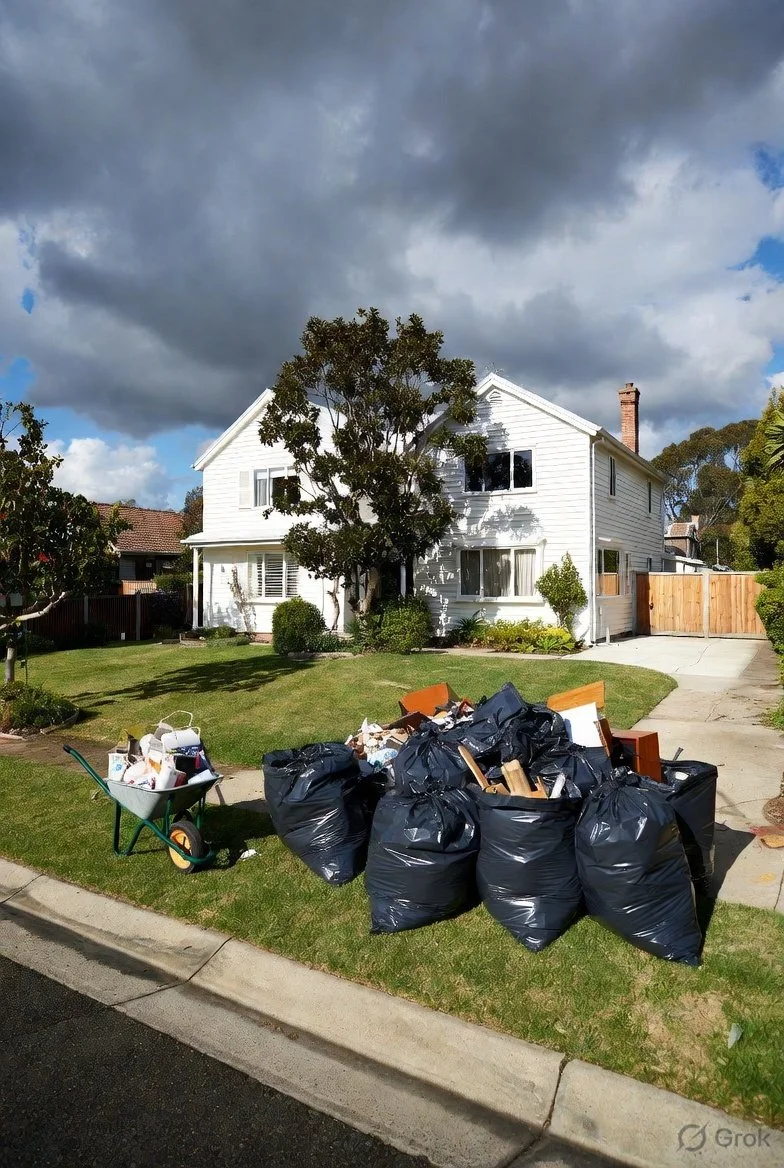
Tasmania’s temperate climate, with its cool, wet winters and milder summers, significantly influences how junk and rubbish removal is conducted in Hobart. Winter brings frequent rain, strong winds, and occasional frost, making outdoor handling of waste more challenging. Wet materials become heavier and messier, increasing the risk of slips or vehicle issues during transport. Professionals and DIYers often schedule jobs for drier days or use tarps and covered containers to protect loads from becoming waterlogged, which could lead to higher disposal fees if waste is deemed contaminated. Rain can also delay access to disposal sites if roads or entry points become muddy.
In summer, longer daylight hours and drier conditions facilitate quicker operations, but heat can accelerate decomposition of organic waste, leading to odours or pest issues if not addressed promptly. Garden cleanups after storms, common in transitional seasons, generate large volumes of green waste that needs swift removal to prevent fire hazards or blockages. Autumn leaf fall and spring growth spurts create predictable surges in yard waste, prompting many to book services in advance.
Flood-prone or low-lying areas around Hobart may face restrictions during heavy rain events, with authorities advising against unnecessary travel to tips or requesting removals. This encourages stockpiling waste safely on-site until conditions improve. Windy conditions, typical in exposed suburbs, require securing loose items to prevent littering, which carries fines.
Service providers adapt by using weather-resistant vehicles and offering flexible scheduling. Residents are encouraged to cover piles or use bins with lids. For large projects like house clearances, indoor-to-outdoor staging helps mitigate weather impacts. Environmentally, wet weather affects recycling quality, as soggy paper or mixed loads are harder to process.
Community awareness campaigns often highlight these seasonal factors, promoting preparation like pre-sorting indoors. In Hobart’s variable topography, from coastal zones to hilly interiors, microclimates add complexity—sheltered valleys might stay drier than wind-swept peninsulas. Overall, understanding Tasmania’s weather patterns allows for more efficient, safer, and cost-effective junk removal, minimizing disruptions and environmental footprint while maintaining the region’s pristine reputation. Planning around forecasts and having contingency options, such as temporary storage, proves essential for smooth operations year-round.
Hobart Rubbish Removal // Hobart Rubbish Services // Skip Bin Hire